BB Fertilizer Production Line Price & Key Installation Considerations

BB Fertilizer Production Line Cost Analysis

The investment for a BB fertilizer production line varies based on capacity, automation level, and equipment configuration. Here’s a detailed cost breakdown:

Equipment Investment Range:

  • Basic Semi-Automatic Line (1-2 tons/hour): $15,000 – $35,000
  • Standard Automatic Line (3-5 tons/hour): $40,000 – $80,000
  • Large-Scale Plant (8-15+ tons/hour): $90,000 – $200,000+

Cost Determinants:
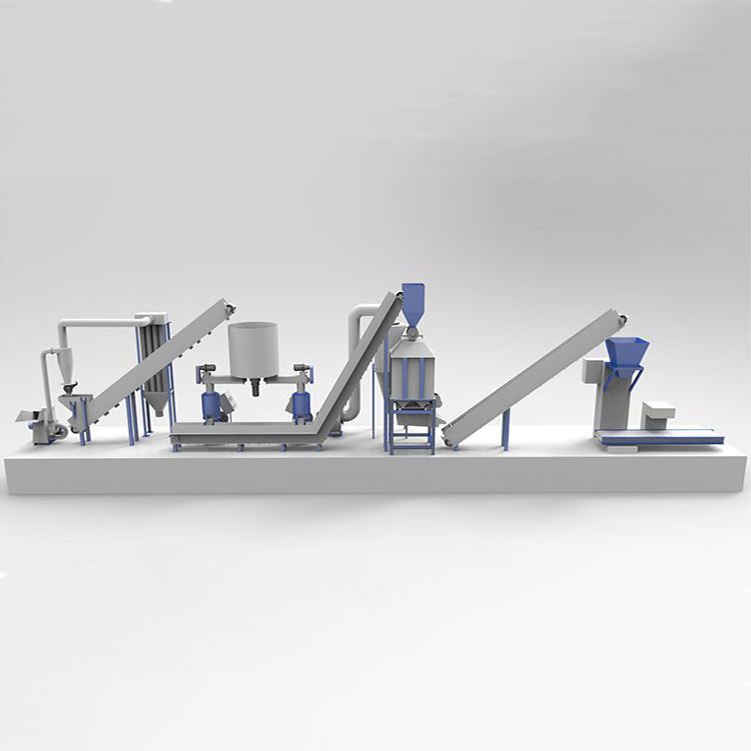
  • Automation level (manual vs PLC control)
  • Mixer type and capacity
  • Material handling system complexity
  • Packaging system sophistication
  • Equipment material quality

Critical Installation Considerations

1. Site Preparation & Foundation Requirements

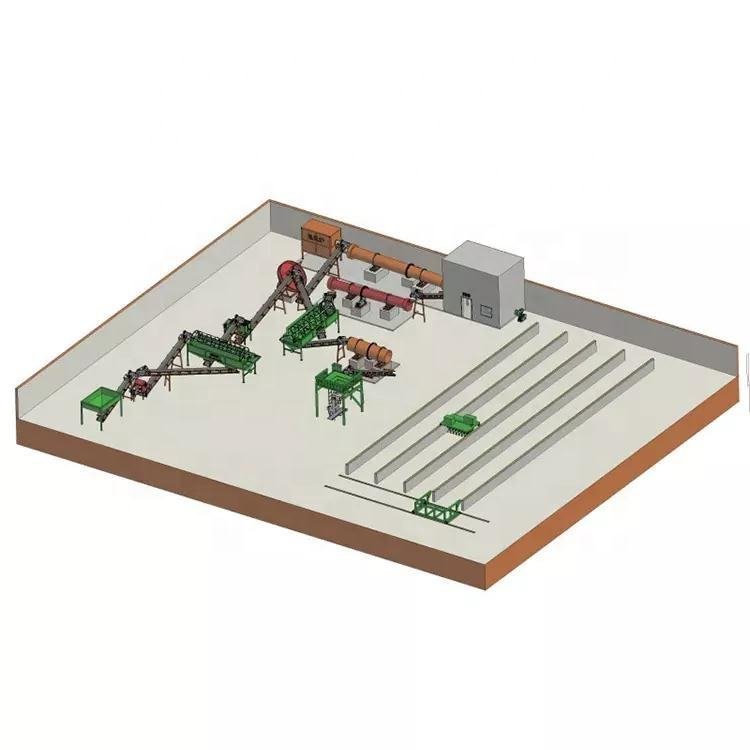
  • Ensure adequate space allocation for equipment layout and material flow
  • Prepare reinforced concrete foundations with proper load-bearing capacity
  • Maintain level installation surfaces with precision tolerance (±3mm)
  • Allow sufficient clearance for maintenance access and operation

2. Utility Connection Points

  • Electrical system: 380V/50Hz three-phase power with proper grounding
  • Compressed air requirements: 0.6-0.8MPa pressure, 0.5-1.0m³/min capacity
  • Lighting system: Adequate illumination (200-300 lux) in working areas
  • Ventilation: Proper air circulation to prevent dust accumulation

3. Equipment Installation Sequence

  • Begin with primary structural framework assembly
  • Install material storage and handling systems (silos, conveyors)
  • Position and level mixing equipment with laser alignment
  • Integrate control systems and electrical connections
  • Commission packaging and bagging systems last

4. Key Technical Installation Requirements

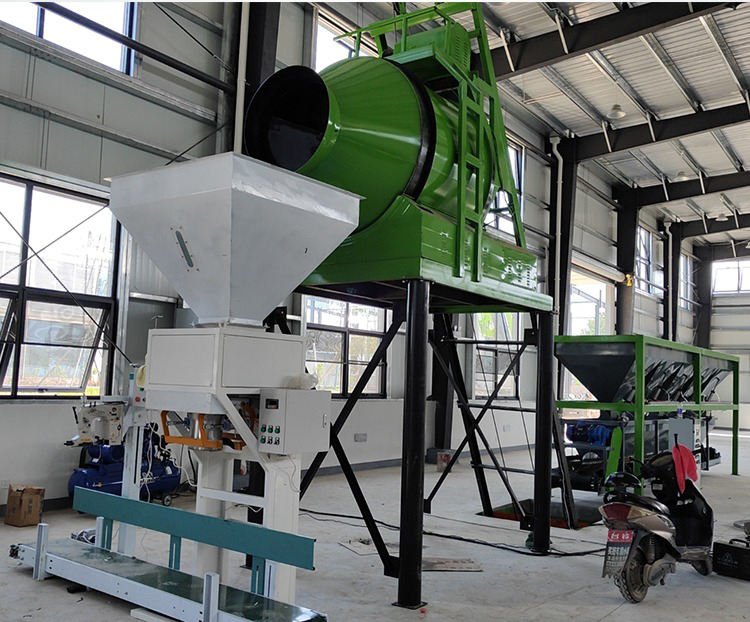
  • Mixer Installation: Ensure perfect leveling to prevent uneven wear
  • Conveyor Systems: Maintain precise alignment and proper tensioning
  • Electrical Systems: Implement proper cable management and safety disconnects
  • Control Systems: Secure stable mounting with adequate ventilation

5. Safety & Compliance Installation
  • Install emergency stop systems at strategic locations
  • Implement proper machine guarding as per safety standards
  • Ensure adequate dust collection system installation
  • Verify all electrical installations meet local regulations

6. Post-Installation Verification

  • Conduct comprehensive system alignment checks
  • Verify all safety interlocks and emergency stops
  • Test material flow through complete production line
  • Calibrate weighing and batching systems for accuracy

Professional Installation Support from Yuhheng Technology

At Yuhheng Technology Co., Ltd., we provide comprehensive installation services that ensure optimal performance and longevity of your BB fertilizer production line.

Our Installation Services Include:

  • Pre-installation site assessment and planning
  • Professional equipment installation by certified technicians
  • System integration and calibration services
  • Operator training and technical documentation
  • Post-installation maintenance support

Important Installation Recommendations:

  1. Always use factory-trained installation technicians
  2. Follow manufacturer’s installation specifications precisely
  3. Conduct thorough testing before full-scale operation
  4. Maintain detailed installation records for future reference
  5. Schedule regular maintenance from installation completion

Proper installation is fundamental to achieving optimal equipment performance, ensuring operational safety, and maximizing equipment service life. Cutting corners during installation often leads to increased downtime and higher maintenance costs.

Conclusion
Investing in a BB fertilizer production line requires careful consideration of both costs and installation requirements. By understanding these key factors and partnering with an experienced equipment provider like Yuhheng Technology, you can ensure a successful project implementation that delivers long-term operational efficiency and profitability.

Contact Yuhheng Technology today for a detailed project assessment and professional installation consultation. Our experts will help you navigate every step of your BB fertilizer production line implementation, from initial planning to final commissioning.
BB Fertilizer Production Line Cost & Effective Power-Saving Strategies

Investing in a BB fertilizer (bulk blend fertilizer) production line offers an efficient way to enter the blended fertilizer market. For business owners evaluating this opportunity, understanding both the initial investment and ongoing operational costs – particularly electricity consumption – is crucial for calculating ROI. This guide from Yuhheng Technology Co., Ltd. provides detailed cost information and practical strategies to minimize energy usage.

BB Fertilizer Production Line Investment Costs

The cost of a BB fertilizer production line varies significantly based on capacity, automation level, and equipment configuration. Unlike complex granulation lines, BB systems are generally more affordable due to their simpler mechanical processes.

Production Line Investment Range:

  • Basic Semi-Automatic Line: Suitable for small farms or startups, with capacity of 1-2 tons/hour. Includes manual batching, simple mixer, and basic packaging. Investment range: $18,000 – $40,000
  • Standard Automatic Line: Ideal for commercial production, with capacity of 3-5 tons/hour. Features automatic batching systems, precision mixers, conveyor systems, and automated packaging. Investment range: $45,000 – $90,000
  • Large-Scale Automated Plant: For high-volume production of 8-15+ tons/hour, with full PLC automation, robotic packaging, and sophisticated quality control systems. Investment range: $100,000 – $250,000+

Key Cost Factors:

  • Degree of automation and control systems
  • Mixer type and capacity (paddle mixers vs. ribbon mixers)
  • Material handling system complexity
  • Packaging automation level
  • Equipment construction materials

Effective Strategies to Reduce Electricity Consumption

BB fertilizer production typically consumes less energy than granulation processes, but optimizing power usage remains essential for maximizing profitability. Here are proven strategies to reduce electricity costs:

1. Optimize Batching System Efficiency

  • Install variable frequency drives (VFDs) on all conveyor motors
  • Use gravity-fed systems where possible to reduce conveyor operation time
  • Implement smart sequencing to minimize equipment idle time
  • Group production batches by similar formulas to reduce cleaning frequency

2. Upgrade Mixing Equipment Efficiency

  • Choose energy-efficient mixer designs (dual shaft paddle mixers typically use 30-40% less power than traditional designs)
  • Install soft starters to reduce motor startup current
  • Maintain optimal mixer loading levels (avoid under-loading or over-loading)
  • Regularly inspect and maintain mixer seals and bearings to reduce friction

3. Implement Smart Automation Controls

  • Use PLC systems to optimize equipment operation sequencing
  • Install motion sensors to automatically stop conveyors when not in use
  • Implement power management systems to avoid peak demand charges
  • Use energy monitoring systems to identify high-consumption equipment

4. Optimize Material Handling

  • Minimize conveyor lengths and elevation changes
  • Use low-friction lining in conveyors and hoppers
  • Install efficient bucket elevators with optimized belt tension
  • Regular maintenance of all moving parts to reduce energy loss

5. Efficient Lighting and Facility Design

  • Replace traditional lighting with LED fixtures
  • Utilize natural lighting in production areas
  • Install motion-activated lighting in storage areas
  • Optimize plant layout to minimize material movement distances

6. Preventive Maintenance Program

  • Regular lubrication of all bearings and moving parts
  • Timely replacement of worn motor belts and chains
  • Maintenance of electrical connections to prevent energy loss
  • Cleaning of ventilation systems to reduce fan power requirements

7. Production Scheduling Optimization

  • Schedule continuous production runs to avoid frequent startups
  • Plan production during off-peak electricity hours when rates are lower
  • Implement batch sequencing to minimize equipment cleaning between runs
  • Use thermal imaging to identify energy loss points in electrical systems

Yuhheng Technology’s Energy-Efficient Solutions

At Yuhheng Technology Co., Ltd., we design BB fertilizer production lines with energy efficiency as a core consideration. Our solutions include:

Energy-Saving Features:

  • High-efficiency motors with IE3/IE4 ratings
  • Advanced PLC control systems for optimal power management
  • Customized equipment design for specific material characteristics
  • Integrated energy recovery systems
  • Smart power monitoring and optimization software

Our Comprehensive Service:

  • Energy consumption analysis and optimization planning
  • Customized production line design for maximum efficiency
  • Professional installation and commissioning services
  • Operator training on energy-efficient operations
  • Ongoing maintenance and optimization support

The energy-saving strategies outlined above can typically reduce electricity costs by 20-35%, with many optimization measures paying for themselves within 6-18 months through reduced operational expenses.

Contact Yuhheng Technology today for a detailed energy efficiency assessment and customized quotation. Our experts will help you design a BB fertilizer production line that minimizes energy costs while maintaining high production efficiency and product quality. Let us help you build a competitive and sustainable fertilizer blending business.

Animal-Based Organic Fertilizer Production Line Cost & Effective Ways to Reduce Power Consumption

Converting animal waste into valuable organic fertilizer represents both an environmental solution and a business opportunity. For potential investors, understanding the equipment costs and operational expenses – particularly electricity consumption – is crucial for planning a profitable operation. This guide from Yuhheng Technology Co., Ltd. provides detailed information on production line investment and practical strategies for reducing energy costs.

Investment Cost for Animal-Based Organic Fertilizer Production Line

The cost of establishing an animal organic fertilizer production line varies based on scale, automation level, and processing technology. Here’s a comprehensive breakdown:

Production Line Investment Range:

  • Basic Powder Production System: Suitable for small farms and startups, with capacity of 1-2 tons/hour. Includes fermentation equipment, crusher, screening machine, and packaging system. Investment range: $35,000 – $70,000
  • Complete Granular Production Line: Ideal for commercial operations, with capacity of 3-5 tons/hour. Includes complete set of equipment from fermentation to granulation, drying, cooling, and packaging. Investment range: $80,000 – $190,000
  • Large-Scale Automated Plant: For industrial-scale production of 10+ tons/hour, featuring full automation, advanced control systems, and comprehensive environmental protection equipment. Investment range: $250,000 – $700,000+

Key Cost Factors:

  • Raw material characteristics (moisture content, composition)
  • Degree of automation and control systems
  • Equipment material quality (stainless steel vs carbon steel)
  • Environmental protection requirements
  • Site preparation and infrastructure needs

Effective Strategies to Reduce Electricity Consumption

Optimizing power usage is essential for maintaining profitable operations. Here are practical strategies to significantly reduce electricity consumption in your animal organic fertilizer production:

1. Optimize Fermentation Process Efficiency

  • Implement proper pile height and turning frequency to reduce compost turner operation time
  • Use covered fermentation systems to maintain optimal temperature with less energy
  • Utilize solar energy for natural heating during fermentation process

2. Upgrade to High-Efficiency Motors

  • Replace standard motors with IE3/IE4 high-efficiency models (15-20% energy savings)
  • Install variable frequency drives (VFDs) on crushers, mixers, and conveyors
  • Implement soft starters for heavy equipment to reduce startup power surges

3. Optimize Drying System Operation

  • Pre-reduce moisture content through effective fermentation to minimize drying time
  • Install heat recovery systems to reuse thermal energy from cooling process
  • Maintain optimal drying temperature settings to avoid energy waste
  • Use biomass-based heating systems instead of electric heaters where possible

4. Implement Smart Automation Systems

  • Install PLC control systems to optimize equipment operation sequencing
  • Use energy management systems to monitor and control power usage
  • Implement automatic shutdown during production breaks
  • Optimize equipment scheduling to avoid peak electricity rates

5. Regular Maintenance for Optimal Performance

  • Keep all equipment properly lubricated to reduce friction and energy loss
  • Regularly clean heat exchange surfaces for maximum efficiency
  • Maintain sharp cutting edges on crushers to reduce power requirements
  • Ensure proper alignment of all mechanical components

6. Process Optimization Techniques

  • Batch processing instead of continuous operation for smaller production runs
  • Optimal material mixing ratios to reduce processing resistance
  • Proper particle size reduction before granulation to save energy
  • Use of natural cooling methods when weather conditions permit

7. Energy Monitoring and Management

  • Install sub-meters to identify high-consumption equipment
  • Conduct regular energy audits to find optimization opportunities
  • Train operators on energy-efficient operating practices
  • Establish energy consumption benchmarks and improvement targets

Yuhheng Technology’s Energy-Efficient Solutions

At Yuhheng Technology Co., Ltd., we specialize in designing animal organic fertilizer production lines that maximize energy efficiency while maintaining high productivity. Our solutions include:

Energy-Saving Features:

  • Customized equipment selection based on your specific raw materials
  • Integrated energy recovery systems
  • Smart automation for optimal power management
  • High-efficiency motor and drive systems
  • Thermal insulation and energy conservation design

Our Comprehensive Service:

  • Energy consumption assessment and optimization planning
  • Customized production line design for maximum efficiency
  • Professional installation and commissioning services
  • Operator training on energy-efficient operations
  • Ongoing technical support and optimization services

The initial investment in energy-efficient equipment and technologies typically pays for itself through significantly reduced operating costs within 12-24 months. By implementing these strategies, you can achieve both environmental benefits and improved profitability.

Contact Yuhheng Technology today for a detailed energy efficiency assessment and customized quotation. Our experts will help you design an animal organic fertilizer production line that minimizes energy costs while maximizing output quality and operational efficiency. Let us help you build a sustainable and profitable organic fertilizer business.

Animal-Based Organic Fertilizer Production Line Cost & Maintenance Guide

For agricultural businesses and farming operations looking to convert animal waste into valuable organic fertilizer, understanding equipment investment and operational requirements is essential. This guide from Yuhheng Technology Co., Ltd. addresses two critical questions about animal-based organic fertilizer production lines: initial costs and daily maintenance demands.

Cost of Animal-Based Organic Fertilizer Production Equipment

The investment required for an animal waste fertilizer production line varies significantly based on processing scale, automation level, and final product type (powder or granules). Here’s a realistic cost breakdown:

Investment Ranges:

  • Basic Powder Production Setup: A semi-automatic line for powdered fertilizer production (1-2 tons/hour capacity), suitable for small to medium farms, typically requires an investment of $35,000-$65,000.
  • Complete Granular Production Line: A fully equipped system for granular fertilizer production (3-5 tons/hour) with automatic batching, granulation, drying, cooling, and packaging systems generally ranges from $85,000-$180,000.
  • Large-Scale Processing Plant: Industrial-scale operations (10+ tons/hour) with comprehensive automation, advanced odor control, and customized engineering solutions can require investments from $250,000-$650,000+.

Key Cost Factors:

  • Raw Material Characteristics: Different animal wastes (poultry, cattle, swine) have varying moisture content and processing requirements
  • Pre-treatment Needs: Dehydration systems and initial processing equipment significantly impact total cost
  • Automation Level: PLC-controlled systems increase initial investment but reduce long-term labor costs
  • Environmental Compliance: Odor management and emission control systems contribute to overall costs
  • Material Quality: Stainless steel components provide better corrosion resistance but increase initial investment

Daily Maintenance Requirements

Proper maintenance is essential for optimal operation, but a well-designed animal organic fertilizer production line doesn’t require excessive daily attention. The maintenance focus is primarily on cleaning and preventive measures.

Daily Maintenance Protocol:

  1. Comprehensive Cleaning Regimen:
  • Remove residual material from all equipment surfaces after each production cycle
  • Clean mixing chambers, conveyor systems, and granulation equipment thoroughly
  • Prevent material buildup that can lead to contamination or equipment corrosion
  1. Lubrication Schedule:
  • Regular lubrication of all moving parts according to manufacturer specifications
  • Special attention to bearings, gears, and transmission systems
  • Use appropriate lubricants that can withstand moist environments
  1. Routine Inspection Checklist:
  • Check wear parts (screens, hammers, dies) for deterioration
  • Inspect electrical connections and safety systems
  • Monitor equipment for unusual noises or vibrations
  • Verify temperature and pressure readings on drying systems
  1. Preventive Maintenance:
  • Regular calibration of weighing and mixing systems
  • Inspection and replacement of worn components before failure occurs
  • Systematic recording of maintenance activities for predictive scheduling

Maintenance Advantages:

  • Streamlined Processes: Modern equipment designs facilitate easy access for cleaning and maintenance
  • Predictable Scheduling: Maintenance needs follow consistent patterns based on operating hours
  • Preventive Focus: Regular maintenance prevents major breakdowns and extends equipment lifespan
  • Technical Support: Comprehensive training and support services ensure proper maintenance understanding

Optimizing Your Investment with Yuhheng Technology

At Yuhheng Technology Co., Ltd., we provide complete solutions tailored to your specific animal waste processing needs. Our expertise ensures you get the right equipment configuration for your operation size and budget requirements.

Our Comprehensive Service Includes:

  • Customized production line design based on your raw materials
  • Professional installation and commissioning services
  • Thorough operator training and maintenance guidance
  • Ongoing technical support and spare parts availability
  • Regular performance optimization recommendations

The maintenance requirements for animal organic fertilizer production equipment are manageable with proper planning and consistent execution. While daily attention is necessary, the processes are straightforward and quickly become part of standard operational procedures.

Contact Yuhheng Technology today for a detailed consultation and customized quotation. Our experts will help you develop the most efficient and cost-effective solution for converting animal waste into valuable organic fertilizer, complete with comprehensive maintenance guidance and support services.

Back to Top
Product has been added to your cart